
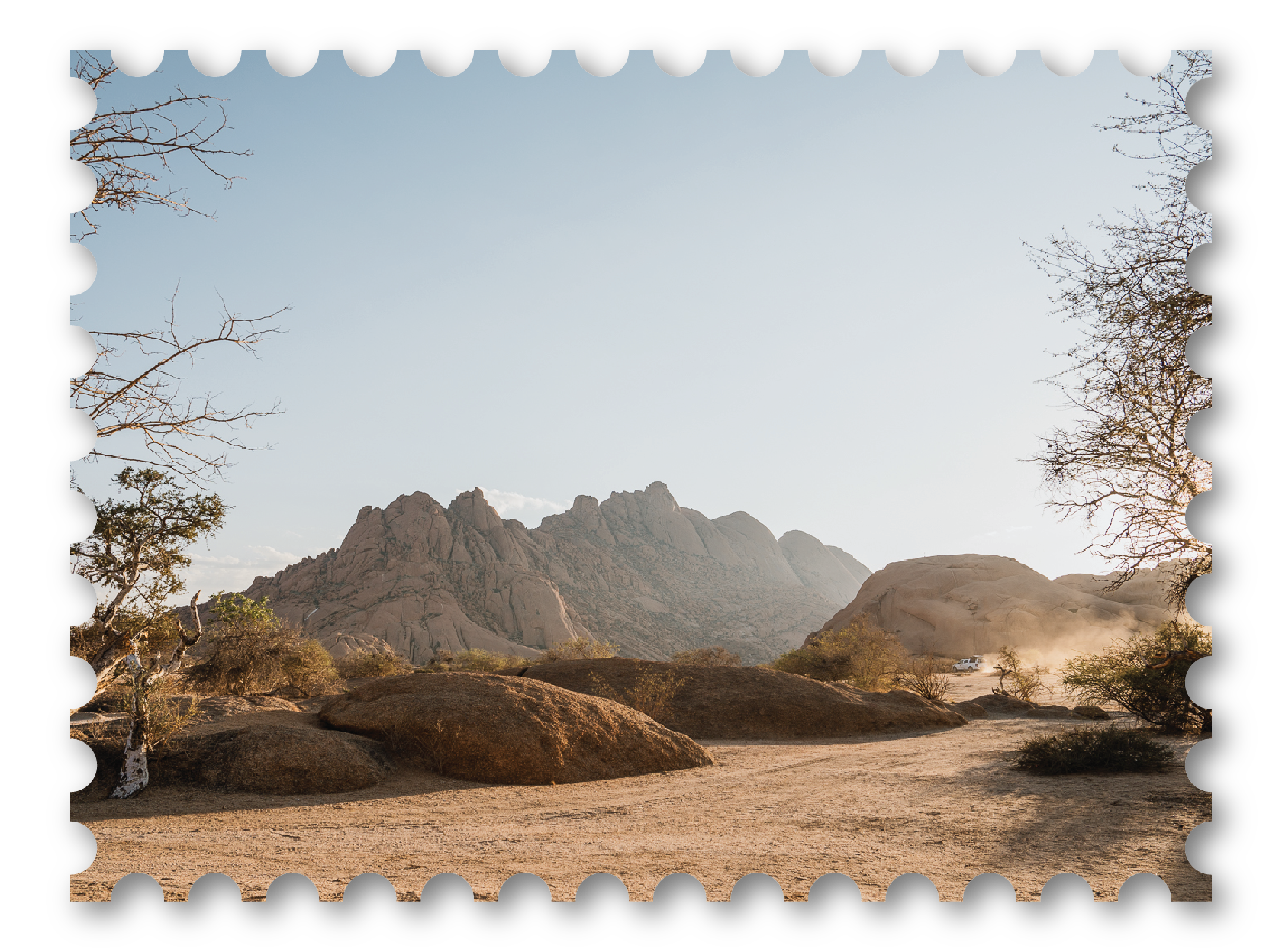
The habitat around the Spitzkoppe is made up primarily of scattered acacia scrub with vegetated washes. Other areas have granite boulders and outcrops, the pogmatitec within these have been formerly mined for semi-precious minerals such as tourmaline, aquamarine, topaz and smokey quartz.
The following bird species can be spotted at the Spitzkoppe:
Herero Chat, Rüppell's Bustard, White-tailed Shrike, Monteiro's Hornbill, Rosy Faced Lovebird, Stark's Lark, Lark-like Bunting, Namaqua Sandgrouse, Yellow-bellied Eremomela, Chestnut-vented Tit-Babbler, Bokmakiere, Lanner Falcon, Peregrine Falcon, Augur Buzzard, Greater Kestrel, Martial Eagle, African Hawk-Eagle, Black-Chested Snake-Eagle, Ludwig's Bustard, Burchell's Courser
BIRDING
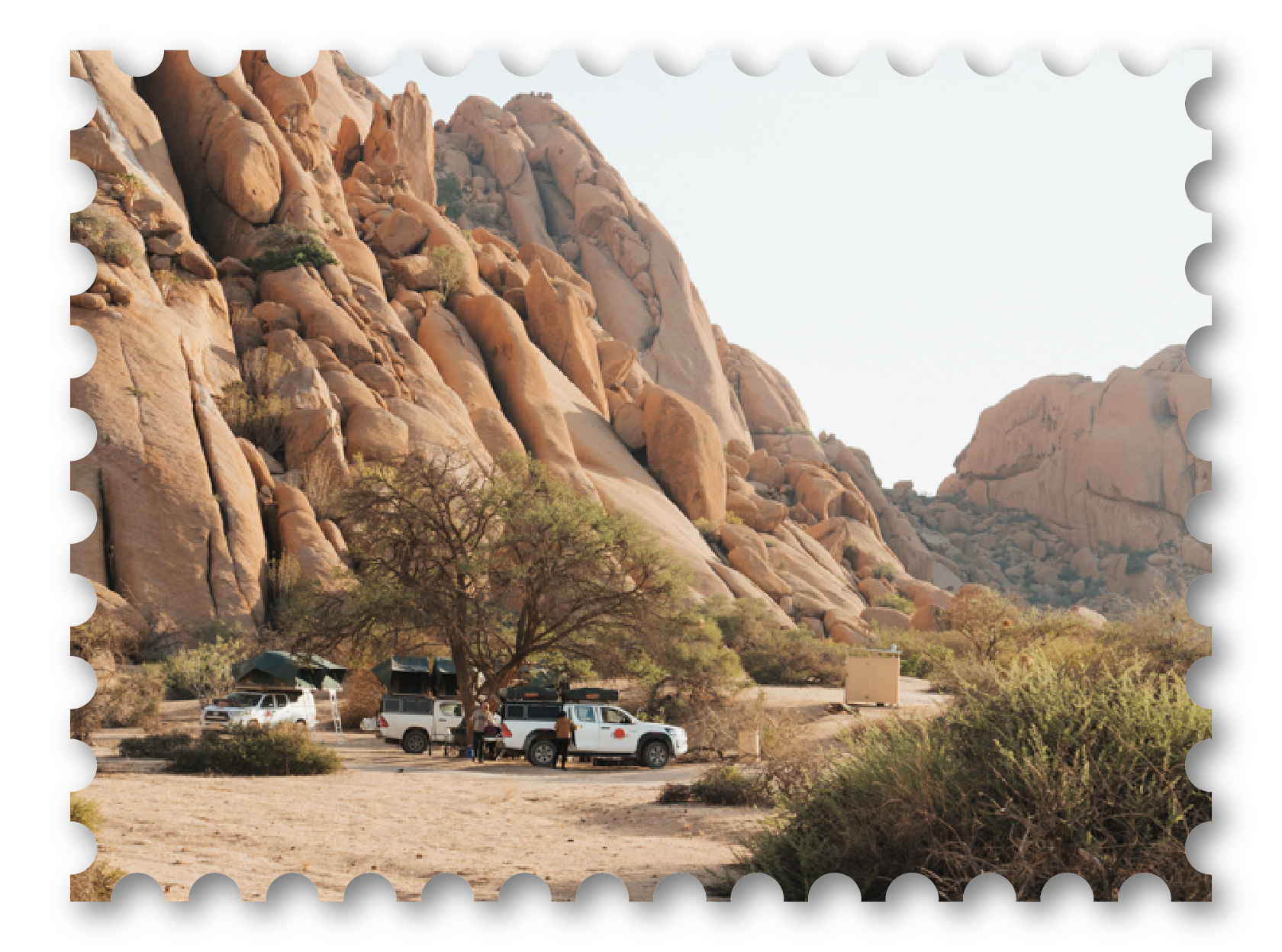
All camping bookings are made via email, Lodge and Cabin camp, can be made online
PLEASE NOTE:
MOUNTAIN CLIMBING
The Gross Spitzkoppe is known as the Matterhorn of Namibia.
The Western face was first climbed in 1946 and has since then drawn raves from climbers. Bouldering opportunities are also abundant in the area.
Active Side of Infinity
Beyond Suntan Lotion
Nothing in Moderation
Watersports
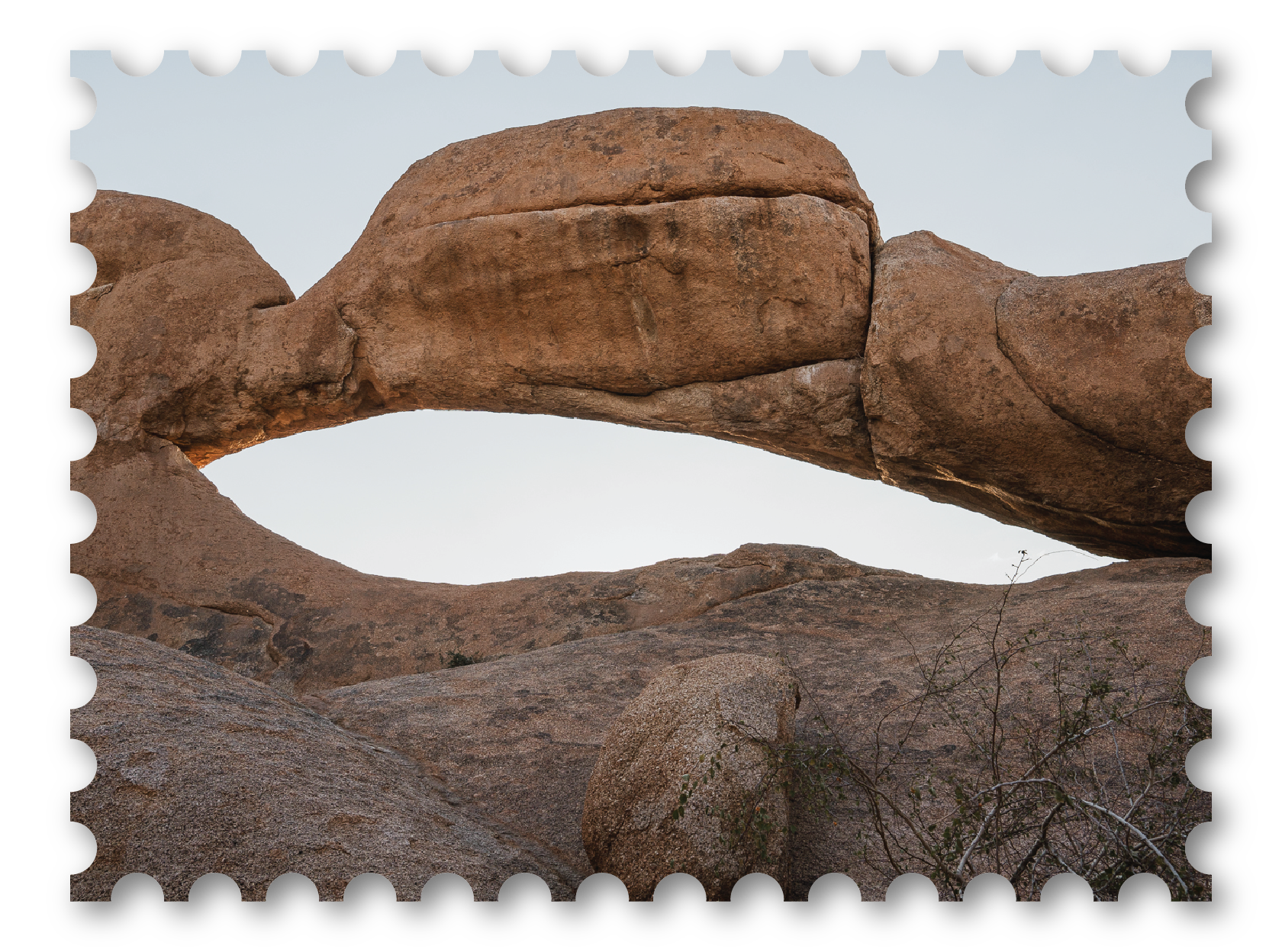
Herero Arch
INXS
SW Wall
Royal Flush
Click here for route discriptions and more information
Mountain Club of South Africa - Namibia Section
All camping bookings are made via email, Lodge and Cabin camp, can be made online
PLEASE NOTE:
MOUNTAIN HIKES & SCRAMBLES
The Spizkoppe is known to contain at least 37 rock art sites and test excavations at one on these revealed a well preserved archeological sequence spanning the last 4000 years.
Evidence from the excavation include a wide range of stone artifacts used in hunting weaponry
and in the preparation of animal hides, as well as the remains of hunted game and plant foods.
From this evidence it appears that the Spitzkoppe served as a dry season base with reliable food and water resources. The rock painting sites at Spitzkoppe contain a number of motives that are closely associated with rain making rituals. In Namibia, the archeological evidence of rain making relates to entire landscapes, such as the Spitzkoppe, rather than to individual painted rock shelters.
These sites can only be visited with a guide due to their vulnerabilty and can be booked at the
reception upon arrival. All persons need to
There are 3 Climbing routes available:
The Pontok, the Matternhorn and The Bushmen Circle Route.
Pontok Route
+/- 4,5 H
Difficulty - fit
No Children under 8 years old allowed
- This route takes you to a look out point on the top Spitzkoppe
Matterhorn Route
+/- 6-8 H
Difficulty - very fit
Recommended for highly experienced rock climbers.
No children under 12 years old allowed
- Experienced climber
- No climbing gear needed
- Exposed scrambling for experienced and fit hikers, no climbing gear involved. The steep and exposed hike reaches a high viewpoint not far from the summit.
Bushmen Circle Route
+/- 7 H
Difficulty - fairly fit
- this includes a chain climb up a steen area to the Bushmans Paradise and afterwards a flat
walking surface with sand and rock.
* All guests need to sign indemnity forms before participating in the activity
* All routes need to he done with a guide
* Groups not exceeding 10
These sites can only be visited with a guide due to their vulnerabilty and can be booked at the
reception upon arrival.
Please choose your route carefully. Spitzkoppe's Routes are not ordinary hikes. Many involve steep rock scrambling, exposure to heights, and sections where hands are required for balance. Our guides reserve the right to refuse participation if a guest's fitness, footwear, or age makes the route unsafe.
The Pontok
All camping bookings are made via email, Lodge and Cabin camp, can be made online
PLEASE NOTE:
STARGAZING
Sunsets are spectacular, but only when night falls you are reminded what that over-used word 'awesome' truly means. Living in a city and have forgotten the unearthly potential that stars embody. At Spitzkoppe, they stretch from horizon to horizon, shimmering in the dry air, unfettered by light pollution or air pollution.
The dry winter months are particularly good, this is primarily because there are no clouds and the crisp winter air makes for clear viewing.
Some of the star constellations that can be seen in the Southern African night skies during the summer months:
• Great Square
• Orion
• Leo
Some of the star constellations that can be during the winter months
• Southern Cross
• Scorpio
Some of the planets that can he seen during the vear:
• Venus
• Mar
• Jupiter
• Saturn
Own equipment is necessary.


We'll be in touch as soon as we can!
THANK-YOU

